Most people assume their homeowners policy covers their home. That’s true, but only up to a point. The gaps tend to show up at the worst possible moment, usually right after something goes wrong. Here’s a straight read on what a standard Colorado policy typically includes and where it tends to fall short.
What’s Usually Covered
A standard homeowners policy in Colorado generally covers four main things.
Your dwelling is the structure of the home itself. If a covered event damages your roof, walls, or foundation, your policy should pay to repair or rebuild it up to your coverage limit.
Personal property covers the stuff inside your home. Furniture, electronics, clothing, appliances. Most policies cover personal property at either replacement cost or actual cash value, and the difference matters more than most people realize.
Liability coverage protects you if someone is injured on your property or if you cause damage to someone else’s property. It also covers legal defense costs if you’re sued.
Additional living expenses, sometimes called loss of use, pays for temporary housing and extra costs if your home becomes uninhabitable after a covered loss. Hotels, meals, the practical stuff.
Where Colorado Policies Often Fall Short
Here’s where it gets important.
Hail and wind sub-limits are one of the most common gaps. Some policies don’t cover hail and wind damage at full replacement value. Instead, they apply a separate, lower limit specifically for wind and hail claims. In Colorado, that’s a significant problem.
Extended replacement cost is another one. If your coverage limit is $400,000 but it actually costs $520,000 to rebuild your home after a total loss, you’re covering the difference out of pocket. Construction costs in Colorado have risen sharply, and many policies haven’t kept pace.
Sewer and water backup isn’t included in a standard policy. It’s typically available as an add-on, and it’s worth having. A backed-up sewer line or failed sump pump can cause serious damage that your standard policy won’t touch.
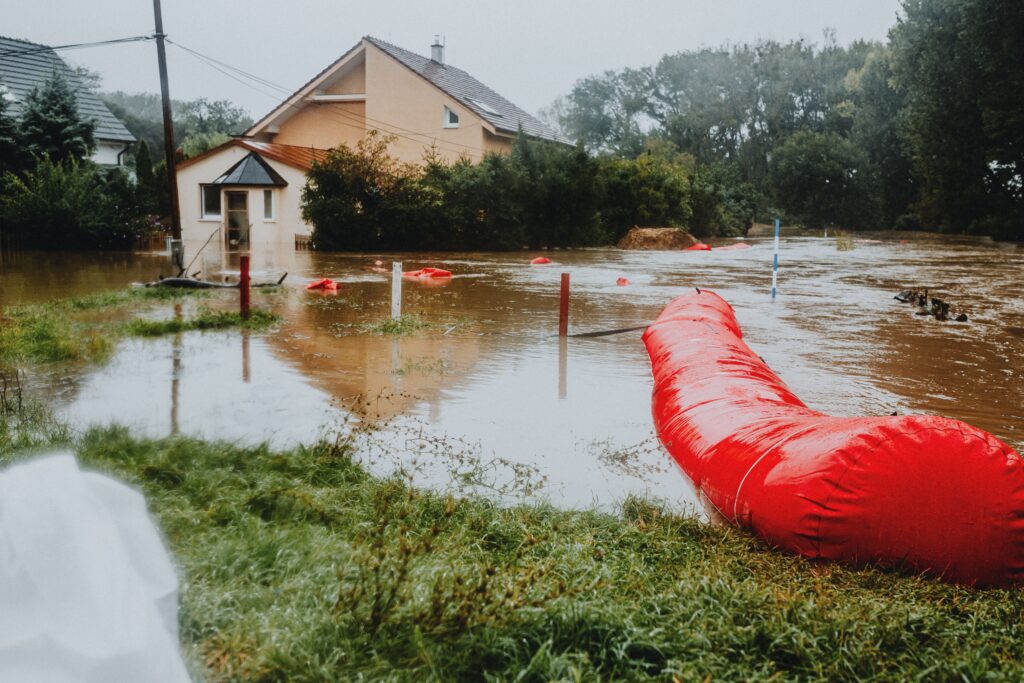
Flood damage isn’t covered either. If you’re in a low-lying area or near a drainage system, this is worth looking into separately.
The Honest Bottom Line
A standard Colorado homeowners policy is a solid foundation, but foundation is the right word. The specifics of your coverage limits, your deductibles, and what add-ons you carry determine whether you’re actually protected when something happens. Reading the declarations page is a start, but the fine print is where most of the gaps live.
Want A Local Colorado Insurance Guide to Review Your Insurance Landscape?
We are here to help guide you through the process of making sure you are properly covered and at the best price. Reach out for a no-obligation review and quote. What you do with the information is up to you…we just want to make sure you understand what you are paying for and have peace of mind.