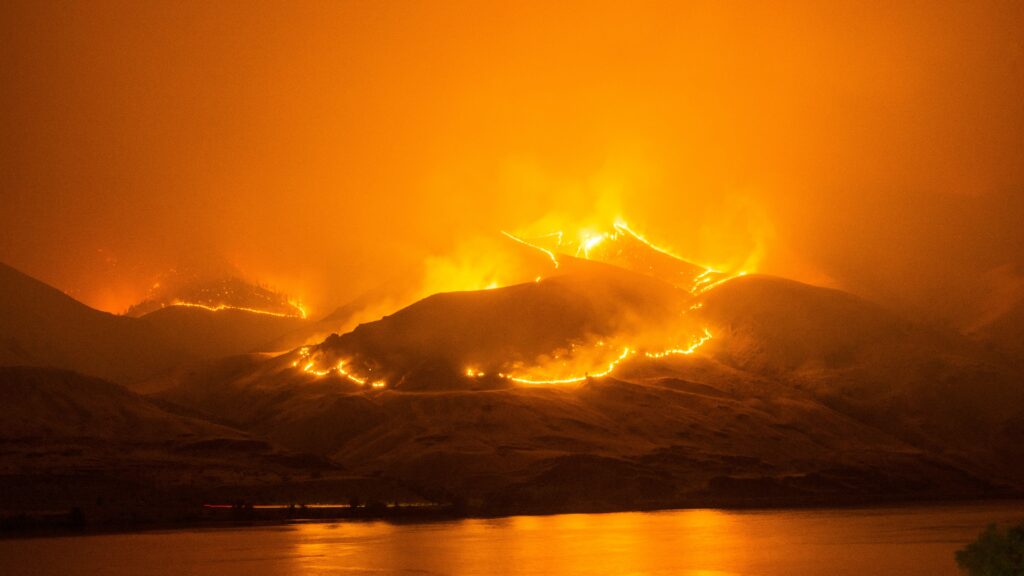
Colorado is a genuinely beautiful place to own a home. It’s also one of the most demanding insurance environments in the country. Hail, wind, and wildfire aren’t theoretical risks here. They’re seasonal realities that have reshaped the insurance market over the past decade and left a lot of homeowners with coverage that looks complete until a claim arrives.
These are the three gaps that come up most often.
Hail: The Sub-Limit Problem
Colorado sits squarely in hail alley. The Denver metro area alone sees multiple significant hail events most years, and the insurance industry has taken notice. In response, some carriers have introduced separate wind and hail deductibles or sub-limits that are buried in the policy language.
What that means in practice: you file a hail damage claim expecting your standard deductible to apply and find out your hail deductible is a percentage of your home’s insured value rather than a flat dollar amount. On a $500,000 home with a 2% hail deductible, that’s $10,000 out of pocket before your coverage kicks in.
This is worth pulling out your policy and checking. It’s one of the most common surprises after a storm.
Wind: Often Lumped In, But Not Always
Wind damage and hail damage are frequently paired in Colorado claims, and they’re often paired in policy exclusions or limitations too. Some policies handle them the same way, with separate deductibles or limited coverage for roof damage caused by wind.
Roof age matters here as well. If your roof is older, some carriers will only pay actual cash value rather than replacement cost for a wind-damaged roof. That gap can be significant depending on what a new roof costs in today’s market.
Wildfire: The Risk That’s Changing the Market
Wildfire exposure has fundamentally changed how carriers underwrite homes in Colorado, particularly in the foothills and along the urban-wildland interface. Some carriers have stopped writing policies in certain areas altogether. Others have significantly raised rates or added exclusions.
If you’re in or near a higher-risk area, the important thing to verify is whether your policy would actually pay out in a wildfire scenario and at what limit. Smoke and ash damage, landscaping loss, and outbuildings are all areas where coverage varies widely between policies.
What To Do With This Information
None of this is meant to be alarming. Most Colorado homeowners have solid policies. The point is that the details matter here more than in most states, and the gaps tend to be specific rather than obvious.
Pulling out your declarations page and looking at your deductibles, your coverage limits on wind and hail, and your dwelling coverage against current rebuild costs is a reasonable place to start.
Want A Local Colorado Insurance Guide to Review Your Insurance Landscape?
We are here to help guide you through the process of making sure you are properly covered and at the best price. Reach out for a no-obligation review and quote. What you do with the information is up to you…we just want to make sure you understand what you are paying for and have peace of mind.